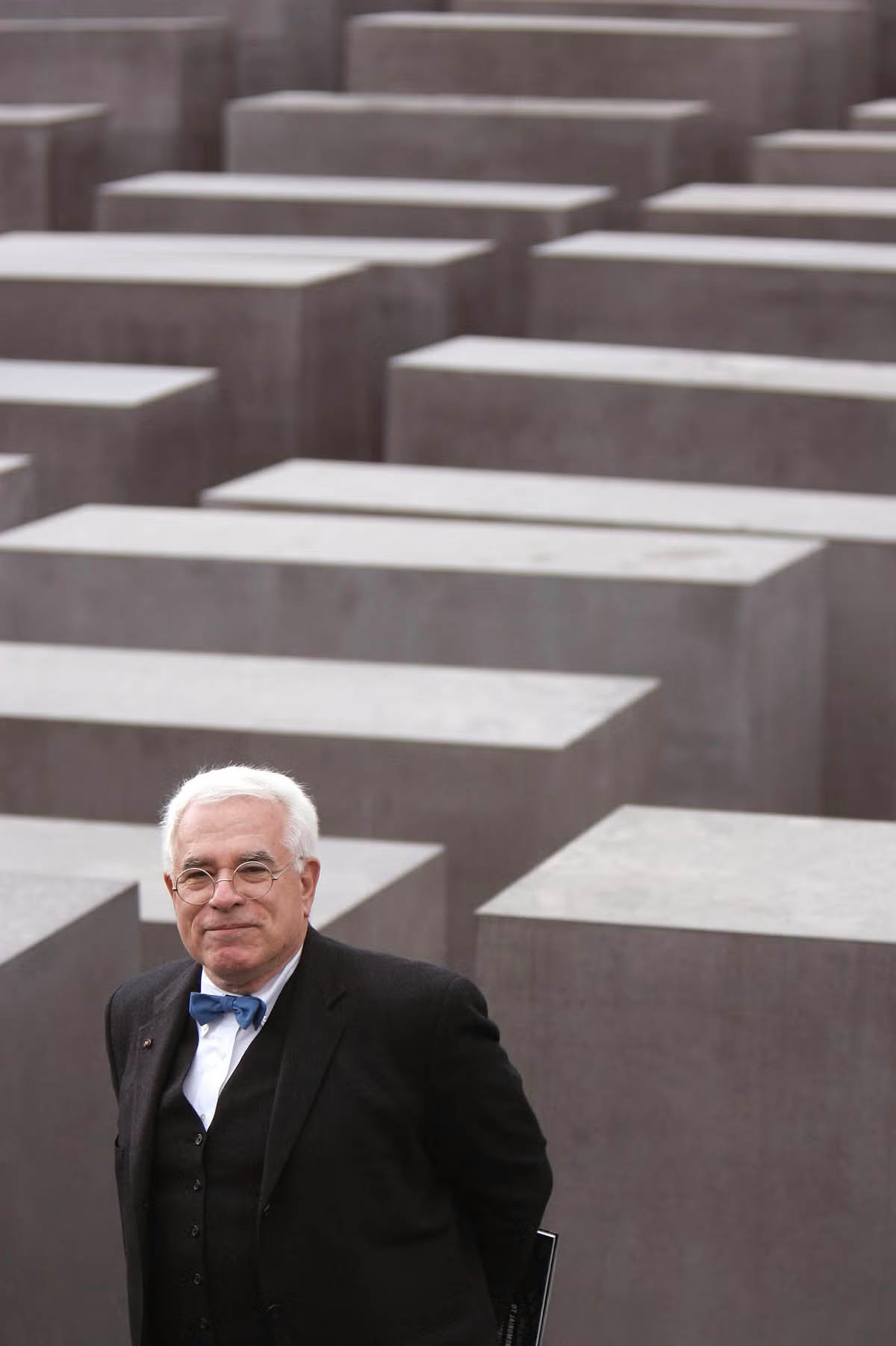
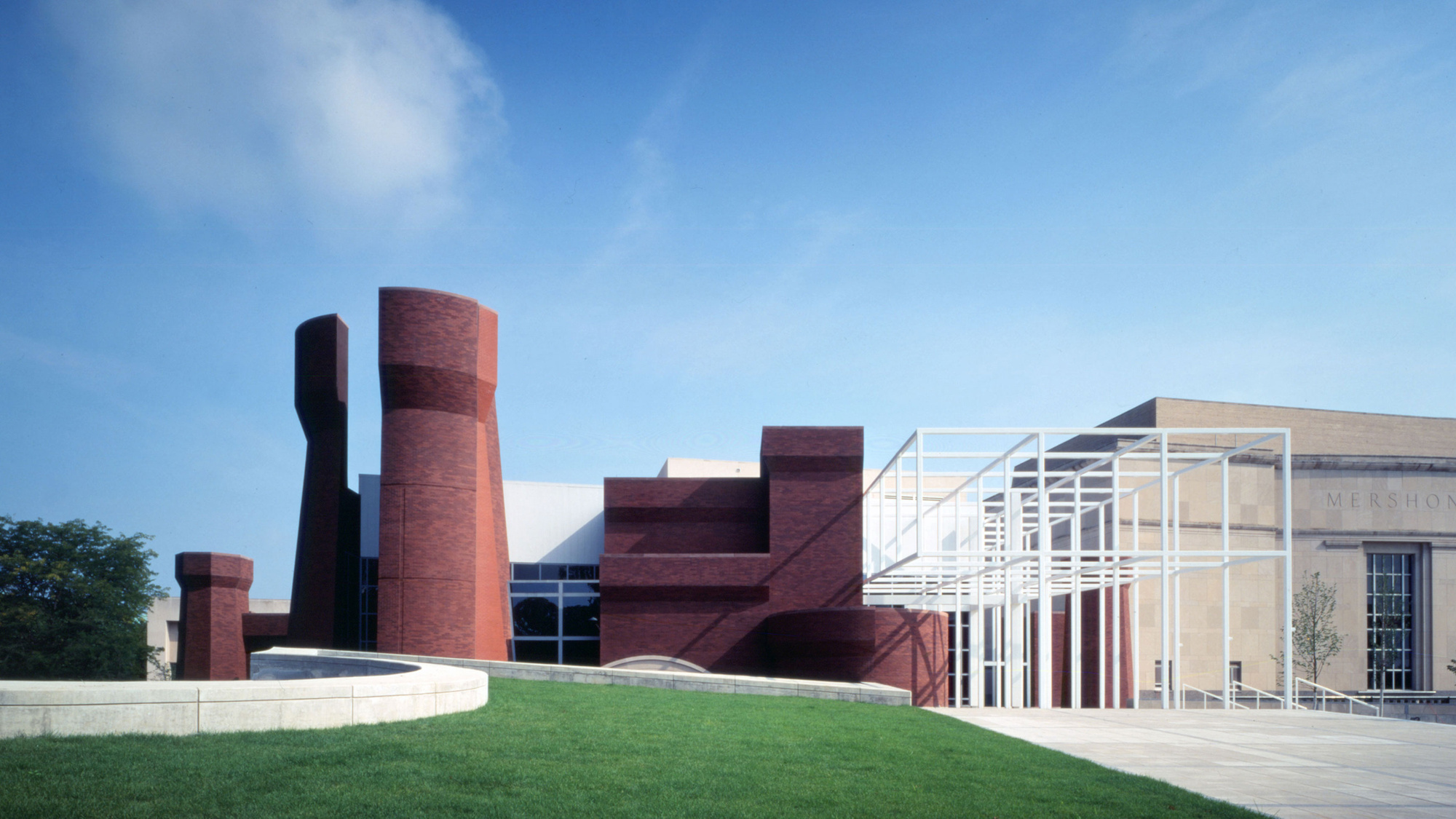
Left: Peter Eisenman by Sean Gallup // Right: Wexner Center for the Visual Arts in Columbus, OH
Gathering Our Inspiration
Peter Eisenman
Challenging Conventions Through Deconstruction
Peter Eisenman is a pioneering figure in deconstructivist architecture, known for his intellectual rigor and designs that question traditional forms and meanings. His work often fragments and reconfigures space to provoke new ways of thinking about architecture — moving beyond pure function into realms of philosophy and cultural critique.
One of his most famous projects, the Wexner Center for the Arts in Columbus, Ohio, exemplifies this approach with its disjointed grids and layered complexities, inviting occupants to engage with the building as a conceptual puzzle.
Eisenman’s work reminds us at Meraki that architecture isn’t just about shelter or aesthetics — it’s a form of storytelling and inquiry. We embrace this spirit by balancing creativity with real-world problem solving, encouraging thoughtful exploration within every design. His bold questioning inspires us to continually rethink how form, space, and meaning interconnect.
Completed in 1989, the Wexner Center is a bold exploration of deconstructivism, where fragmented forms and intersecting planes challenge traditional notions of order and symmetry. Eisenman’s design is an intellectual puzzle, reflecting the experimental spirit of contemporary art within its walls. The building’s deliberate complexity creates tension, provoking reflection on how architecture shapes perception.
At Meraki, we appreciate architecture that asks questions — that invites exploration beyond the obvious. The Wexner Center reminds us that sometimes complexity can be a tool for engagement, encouraging deeper thought about space, context, and experience. This approach aligns with our commitment to layered design solutions that respond to real-world challenges while embracing creativity.
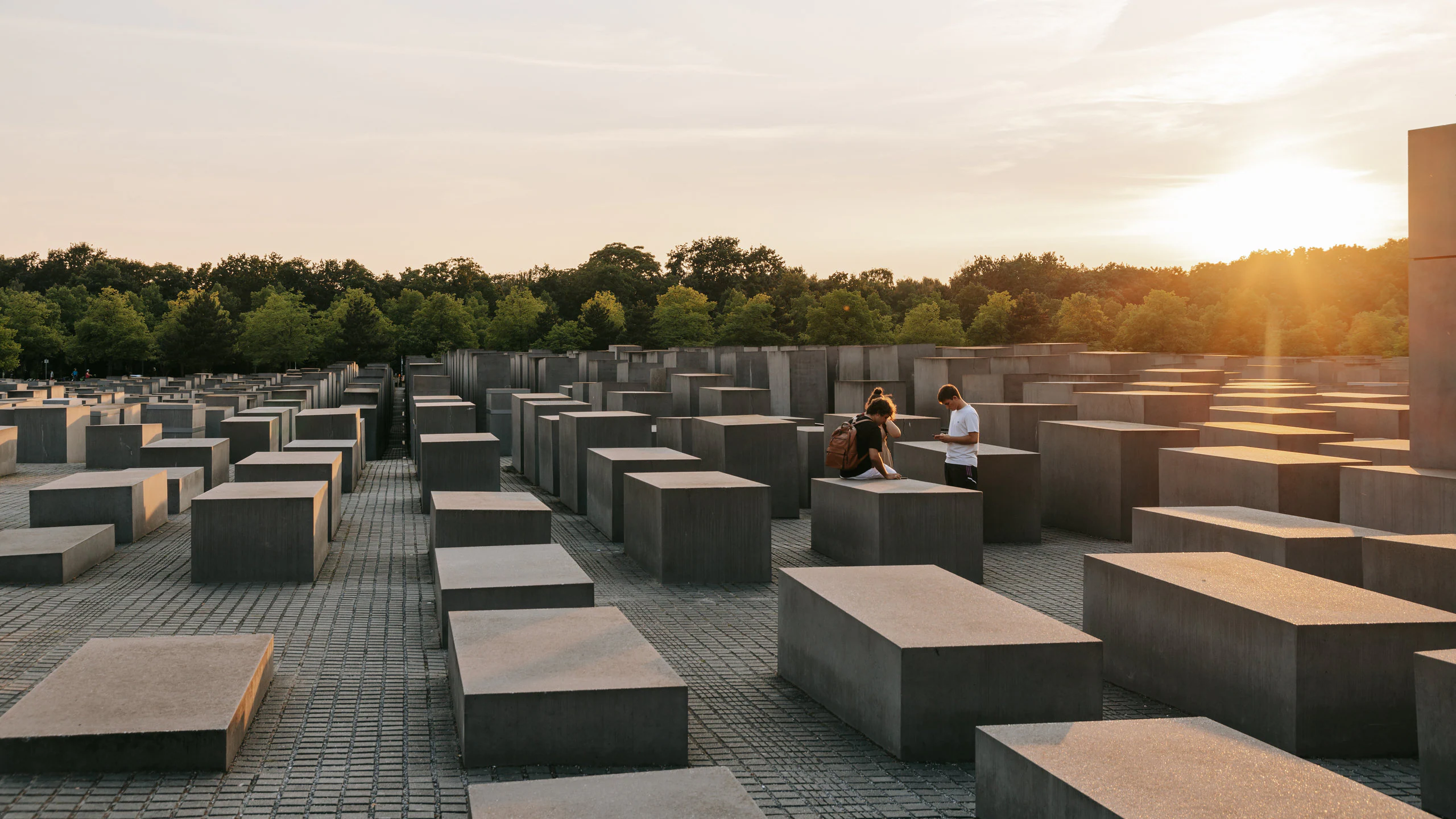
Holocaust Memorial in Berlin, Germany by Peter Eisenman