
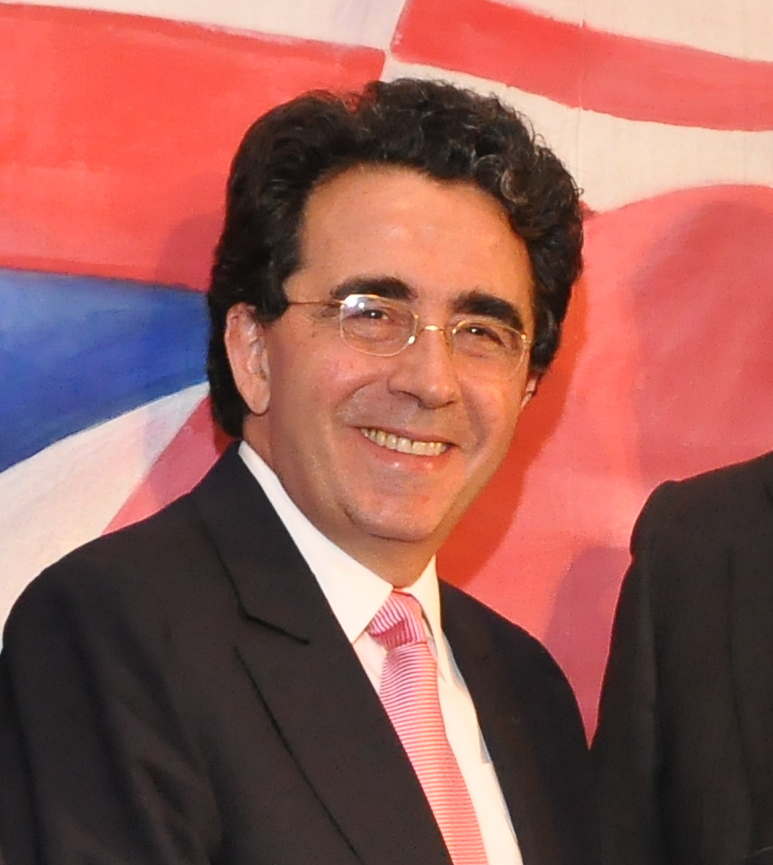
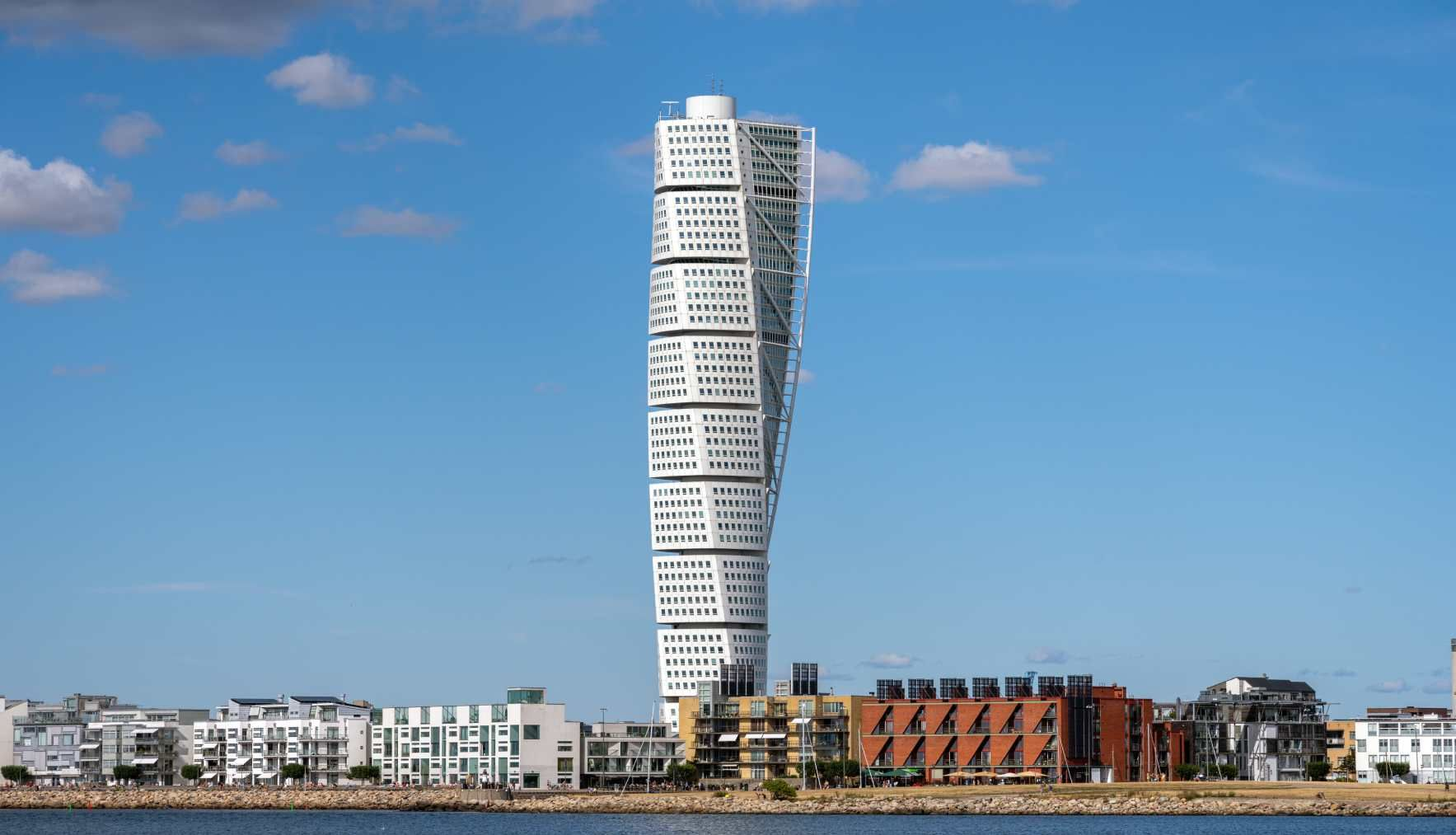
Left: Santiago Calatrava // Right: Turning Torso courtesy of Eastern Engineering Group
Where Structure Becomes Sculpture
Architecture in Motion: The Sculptural Genius of Calatrava
Few architects blur the line between engineering and art as masterfully as Santiago Calatrava. Known for his soaring bridges, skeletal forms, and kinetic structures, Calatrava doesn’t just design buildings—he choreographs spatial poetry.
Trained as both an architect and civil engineer, Calatrava’s work is rooted in structural logic, yet it transcends mere function. His buildings often evoke motion, balance, and tension, as if frozen mid-dance. The Turning Torso in Malmö, Sweden, for instance, spirals upward like a human spine in motion, while the Milwaukee Art Museum’s brise soleil unfurls like a bird taking flight. These aren’t just feats of engineering—they’re expressions of emotion, movement, and metaphor.
Calatrava’s signature lies in his ability to expose the skeleton of a structure and make it beautiful. He often draws inspiration from the human body, nature, and classical forms, translating them into white concrete, steel, and glass. His bridges—like the Puente de la Mujer in Buenos Aires or the Alamillo Bridge in Seville—are not just connectors of place, but sculptural gestures that animate the urban landscape.
Critics sometimes challenge the practicality or cost of his designs, but Calatrava’s vision is unapologetically ambitious. He invites us to see infrastructure not as static necessity, but as dynamic art. In a world of utilitarian boxes, his work reminds us that architecture can still stir the soul.
Tomorrow’s cities need more than shelter—they need inspiration. And Calatrava, with his fusion of structure and sculpture, continues to show us how.